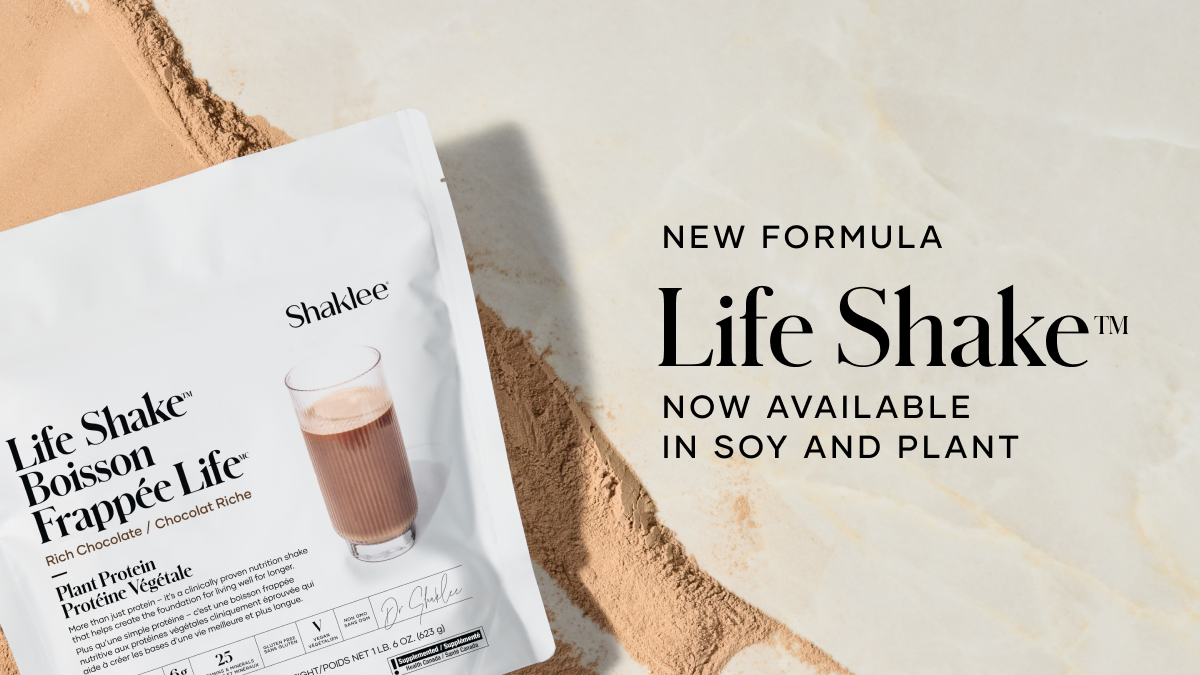
Newly Enhanced: Life Shake™ Now Available in Plant and Soy
More Than a Shake – Life Shake is Comprehensive Nutrition for Whole-Body Health
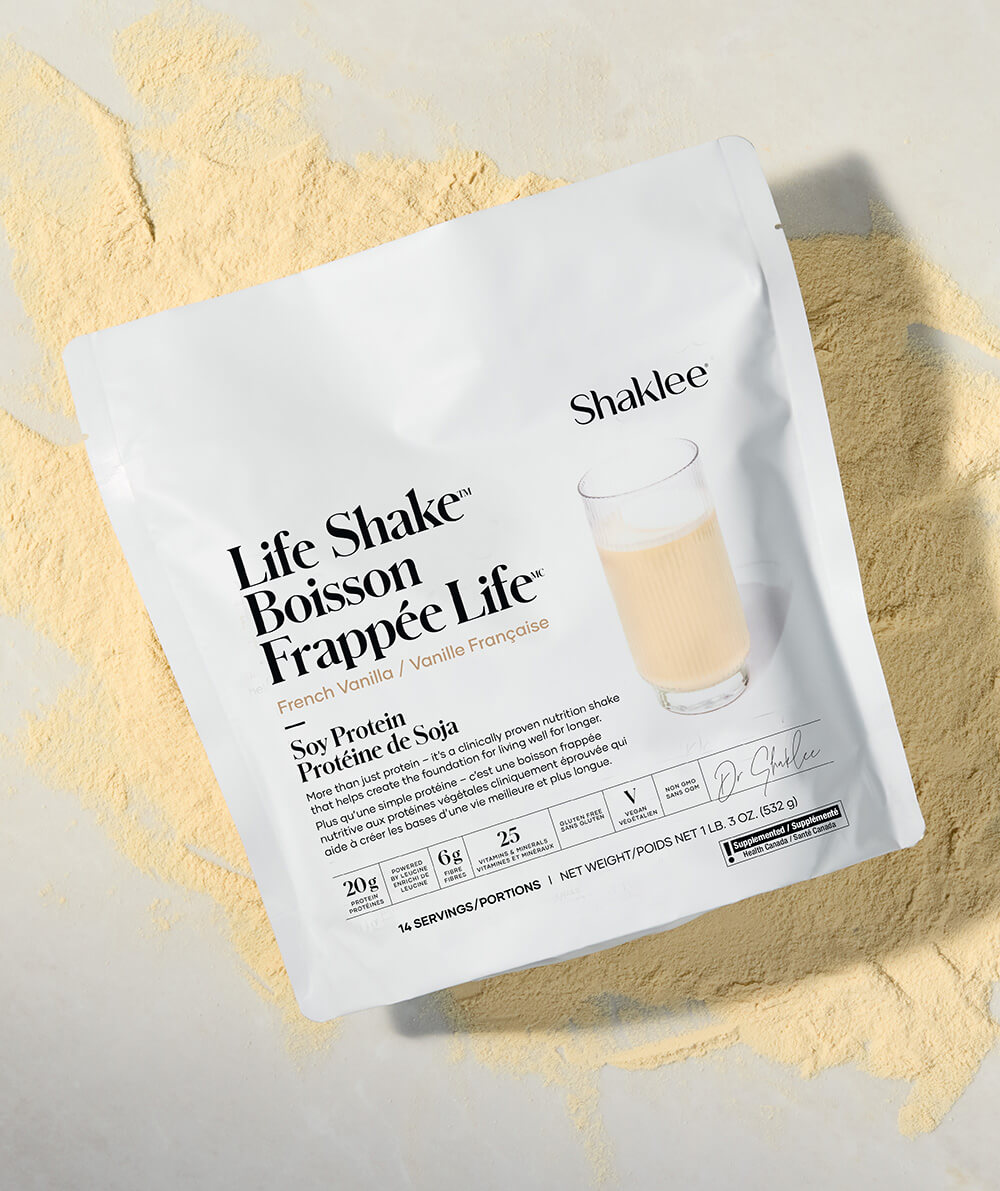
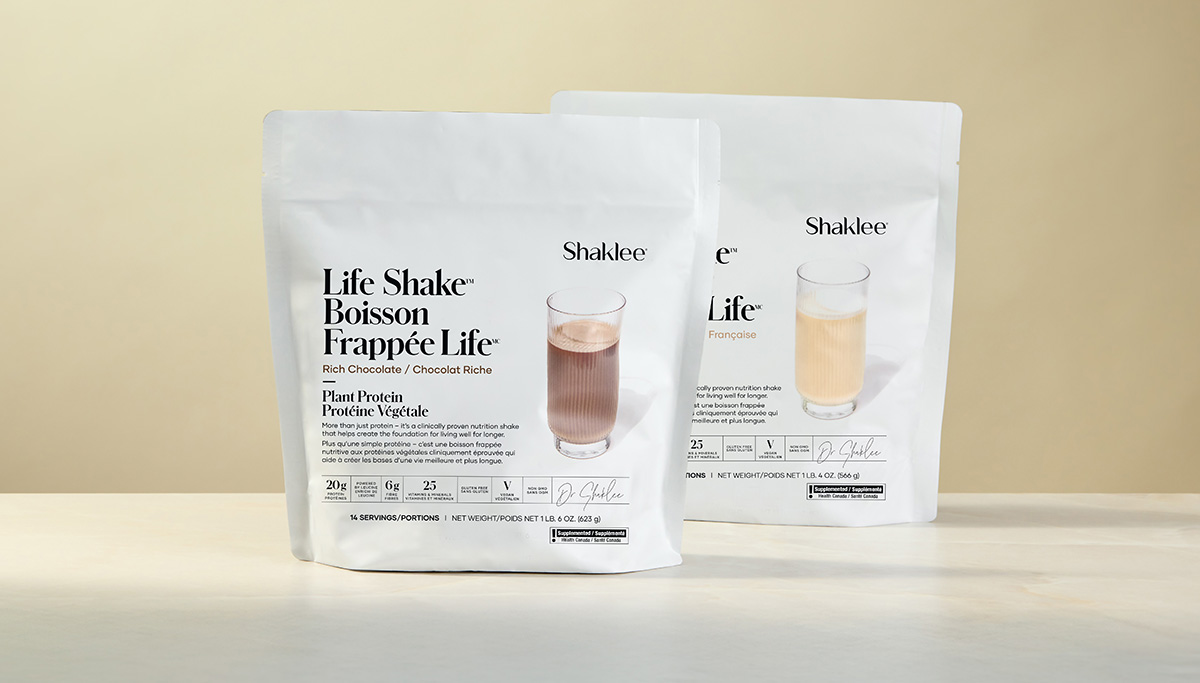
Available in Plant and Soy – NEW Life Shake – Protein PLUS comprehensive nutrition to help create the foundation for living well longer.
Delicious and formulated to boost key longevity markers, Life Shake packs 20 g of high-quality protein, 6 g of fibre, 25 essential vitamins and minerals plus leucine to help build lean muscle, boost metabolism,* 1,2 and reduce cravings.
Protein: Not Just for Athletes and Bodybuilders – It’s Essential for Everyone
Whether you’re running a marathon or simply running errands, your body depends on protein to function at its best.
From the strength of your hair to the soles of your feet, protein is the building block that supports your muscles, skin, immune system, and so much more. It keeps you energized, helps you recover, and ensures your body’s basic functions run smoothly.
Without enough protein, your body simply can’t function.
How does Protein Support Longevity?
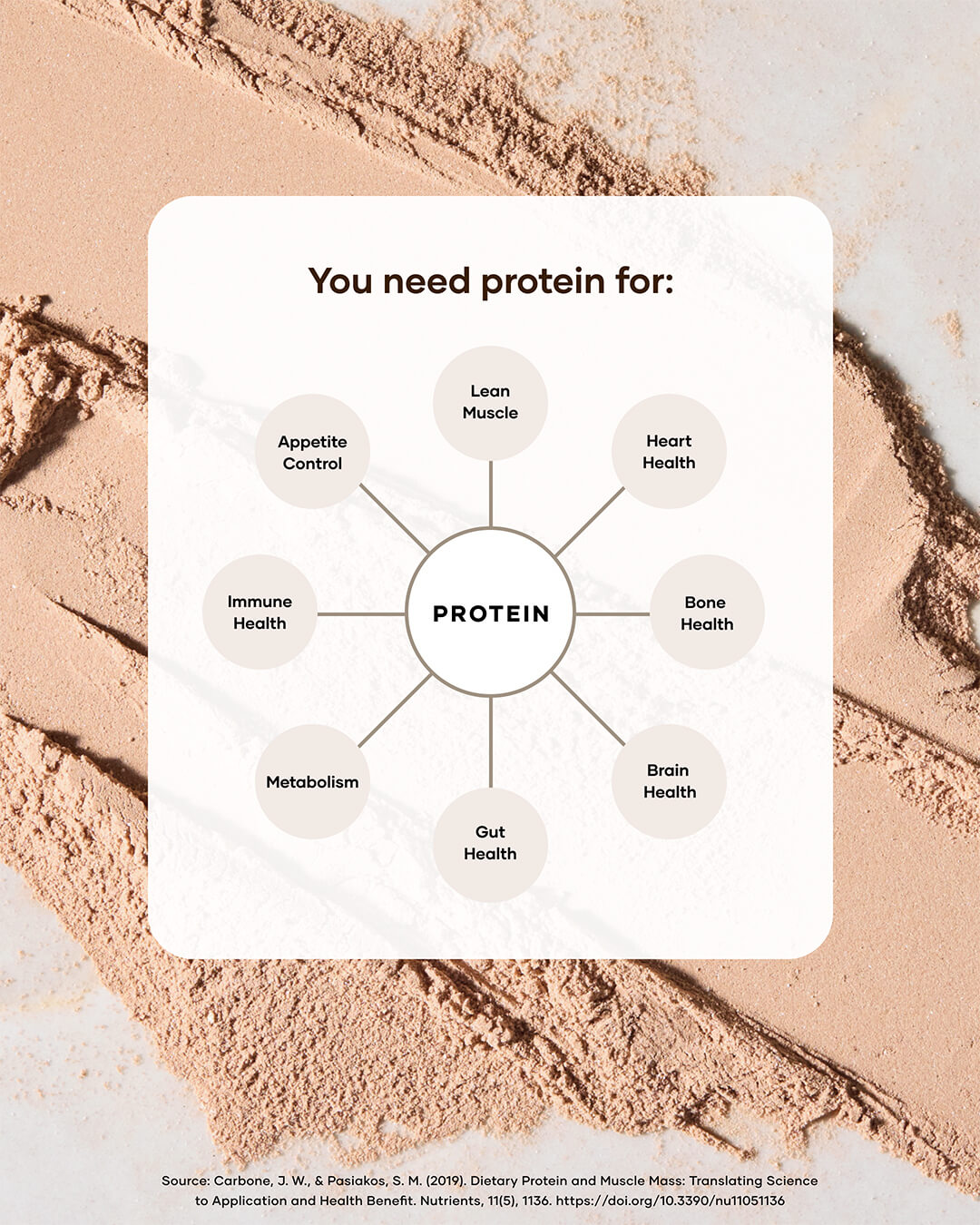
Protein is an essential macronutrient that helps preserve lean muscle, fuel metabolism, and support the production of key body proteins to keep your body strong, resilient, and thriving for life.
- Helps build and combat muscle loss
- Supports healthy hair, skin, and nails
- Provides immune support
- Helps you reach and maintain a healthy weight
- Provides the building blocks to make hormones and enzymes
Protein + Leucine
To build and maintain lean muscle, your body needs both protein and leucine/
Protein is the material used for muscle building and repair.
When you consume protein, your body breaks it down into amino acids which are then used to build new muscle tissue, repair damaged muscles, and support muscle function.
Leucine acts as the ‘signal’ that tells your body to start building lean muscle. Without it, even with all the other amino acids, muscle building can’t happen. While others are just catching on, we’ve been innovating and pushing the science of leucine forward for almost 20 years.
- Formulated with 20 g of protein, 6 g of fibre, and 0 g of sugar, this low-glycemic shake helps slow glucose digestion and absorption.
- Supports Metabolic Health: Boost energy with 20 g ultra-pure protein and a precise ratio of essential amino acids.
- Supports Your Gut Microbiome: Delivers 6 g of fibre, a proprietary prebiotic from organic ancient grains, and digestive enzymes to support gut health, maintain a healthy gut microbiome, and support digestion and regularity.
- Supports Heart, Brain, Immune, and Bone Health: Packed with 25 essential vitamins and minerals, including the methylated B vitamins methylfolate and methylcobalamin, ALA (an essential omega-3 fatty acid), and other key nutrients to support overall health and wellness.
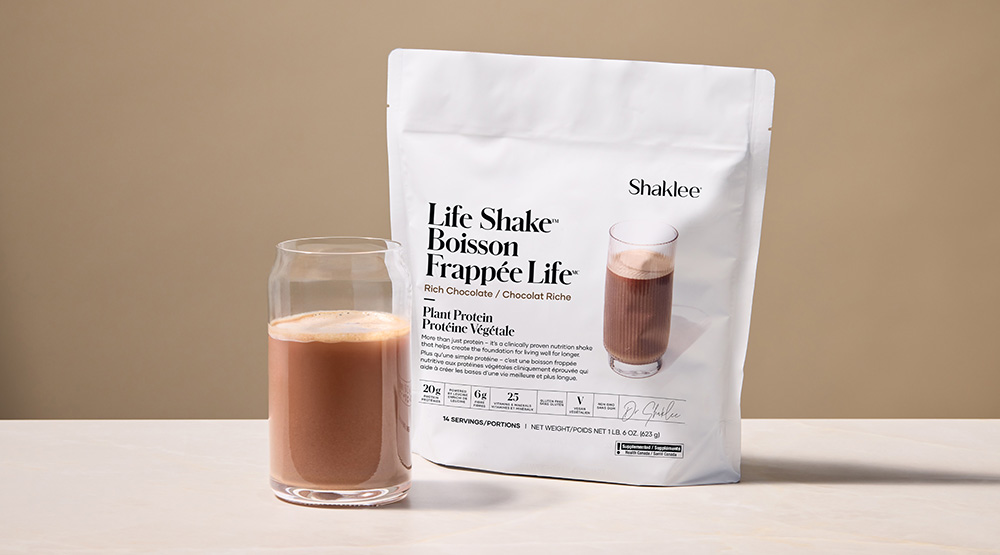
Key Ingredients
- Leucine: An essential branched-chain amino acid that initiates signaling the muscle-building process.
- Fibre (6 g): Soluble dietary fibre to support digestive health, regularity, blood sugar management, and satiety.
- Prebiotics: Ancient grain blend of organic millet, buckwheat, amaranth to support microbiome health.
- Digestive Enzymes: Sourced from papaya and pineapple enzymes to help break down proteins to support digestion and nutrient absorption.
- ALA (an essential omega-3 fatty acid): Plant-based and an essential nutrient to support heart health and serves as a precursor to EPA and DHA.
- 25 Essential Vitamins and Minerals, including:
- Potassium, magnesium, and B vitamins to support heart health
- B vitamins to support brain health and energy production
- Vitamins A, C, and E, along with minerals like zinc to support vision and eye health
- Calcium, vitamin D, and magnesium to support bone health
- Vitamins C, D, and zinc to provide immune support
No artificial sweeteners, colours, or flavours (sweetened with monk fruit and Reb-M), Vegan, Non-dairy, Plant-Based, Kosher, Gluten Free, Non-GMO
Soy Protein: Separating Fact from Fiction
Myth: “Soy messes with your hormones.”
Truth: Studies show that eating or drinking soy has no significant effect on hormone levels in either men or women.
Myth: “Soy isn’t a complete protein.”
Truth: Soy is one of the few plant-based complete proteins, meaning it has all 9 essential amino acids needed for muscle growth, repair, and energy.
Myth: “Soy causes bloating or digestive issues.”
Truth: High-quality soy has most of the fermentable carbs removed, making it easier to digest.
Myth: “Soy is bad for men.”
Truth: Numerous studies show that soy does not reduce testosterone or impair male fertility.
Myth: “All soy is GMO and highly processed.”
Truth: Not all soy is GMO. Shaklee only uses non-GMO soy protein isolate that is carefully sourced and vigorously tested.
How to Share
Just like protein is a building block for longevity, sharing protein is an essential building block of your Shaklee business.
To help you and your team hit the ground running, we’ve created a simple, repeatable sharing system along with support tools that will make creating conversations and introducing new people to Shaklee protein easier than ever.
Protein Selling System
STEP 1: Create Awareness With Conversation Starters
Take advantage of new social graphics, protein talking points, and conversations starters to educate, add value, and create interest in the importance of protein.
STEP 2: Share the Protein Tracker
Once someone is interested, you can invite them to track their protein intake for two days using our new digital, Shaklee-branded protein tracker to input meals and see how much protein they’re actually getting.
STEP 3: Invite
Create an experience for prospective customers and Ambassadors with a fun, casual in-person Sparkling Protein Mocktail Hour using our easy-to-follow Hosting Guide, recipe cards, and customizable Shaklee-branded Canva® templates. Then follow up with a 7-Day Protein Challenge Wellness Group to help people learn more about Shaklee Protein products.
STEP 4: Make the Offer
Invite your prospects to get started with one of our new Join Bundles. We’ll supply you with easy-to-share flip books that walk you through product details and enrollment options for each.
*As part of the Healthy Weight Program. Clinical study participants replaced two meals with Shaklee Life Shakes daily, followed a 40-minute exercise program twice a week, and calorie targets, plus six months of maintenance, including one Life Shake per day, 40 minutes of exercise twice a week, and no calorie targets. See full details of Westcott clinical studies at healthresource.shaklee.com.
1. Westcott W, Colligan A, Puhala K, Lannutti K, La Rosa Loud R, Vallier S. Journal of Exercise Physiology Online. 2017 Feb 1;20(1).
2. Westcott W, Colligan A, Lannutti K, La Rosa Loud R, Vallier S. Effects of Resistance Exercise and Protein on Body Composition Following Weight Loss. Journal of Clinical Exercise and Physiology 2018;7(2):25-32.